You are going for your medical tests, like CT scans, X-rays, and MRIs, etc., and want to remove permanent jewelry, so don’t worry!
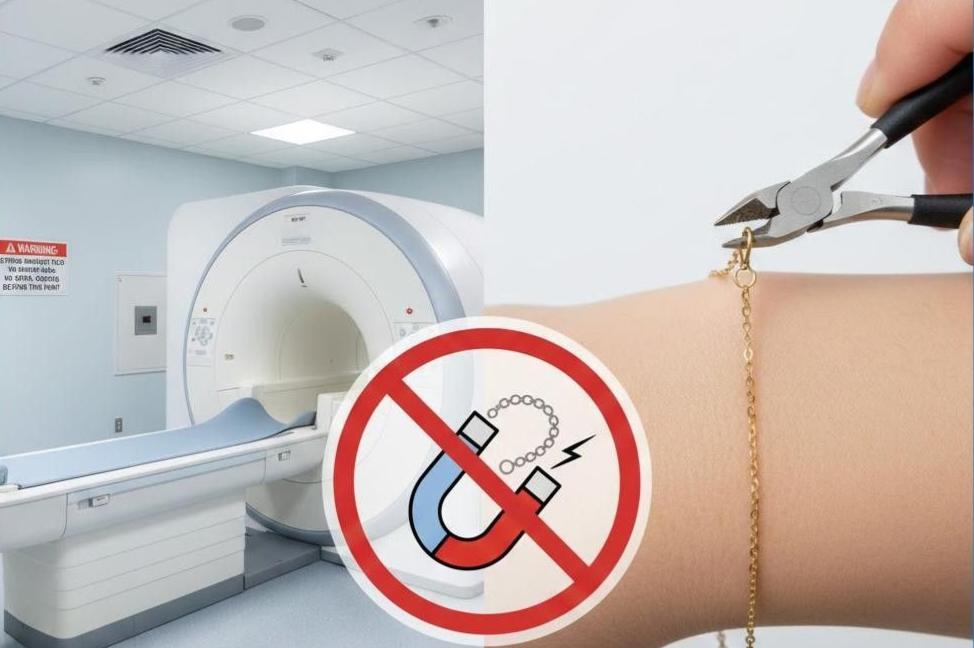
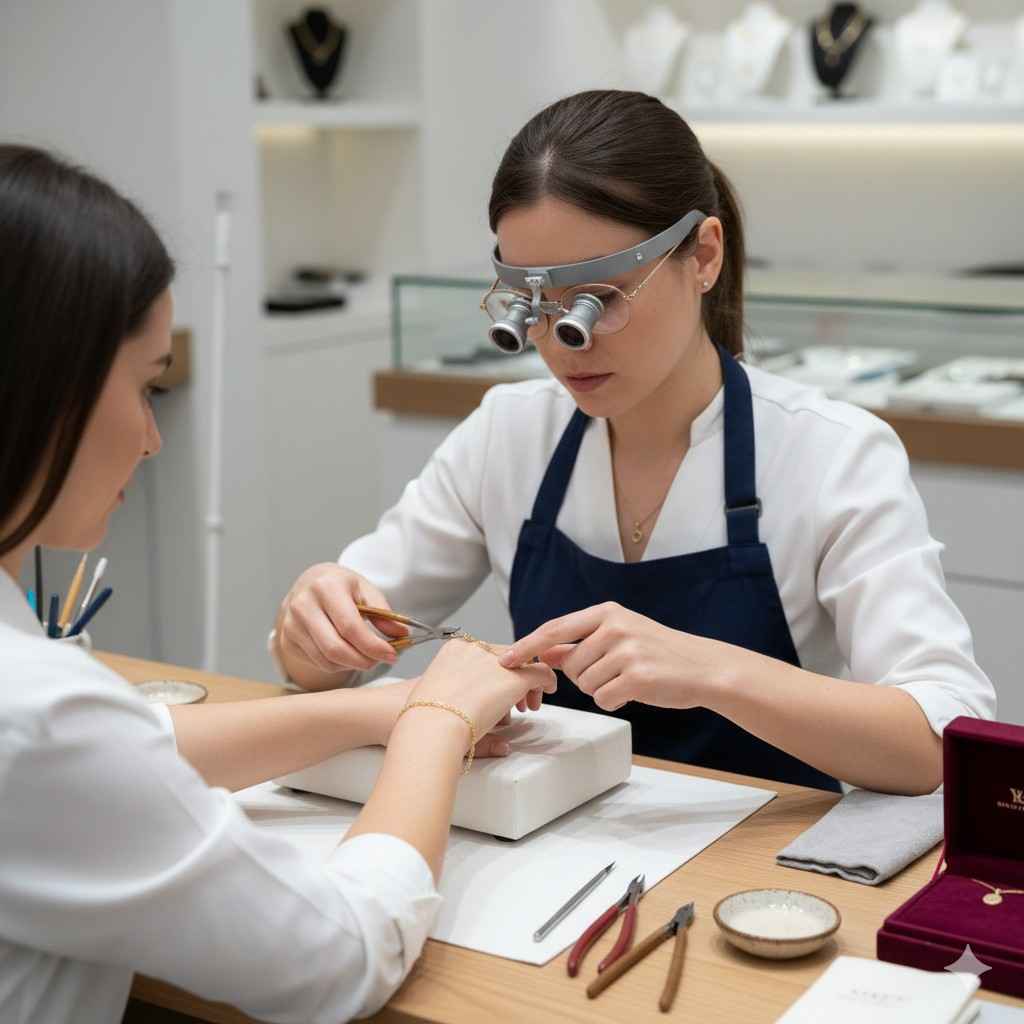
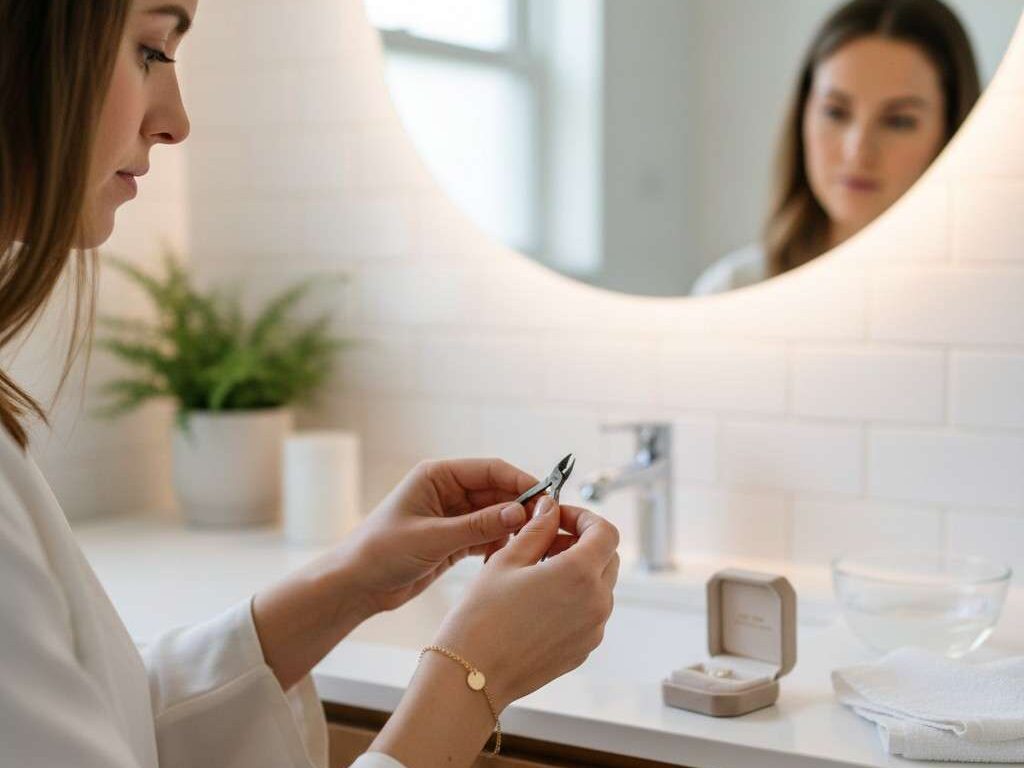
It’s a very easy and simple process; you can remove it easily with the help of scissors, wire cutters, and nail clippers. Don’t pull or break it forcefully so that the jewelry won’t be damaged.
Kim Thompson, a professional jeweler, says, “Removing permanent jewelry is much easier than you think.”
Here’s a complete guide about removing permanent jewelry, required tools, the removal process, safety precautions, and everything.
How many ways are there to remove permanent jewelry?
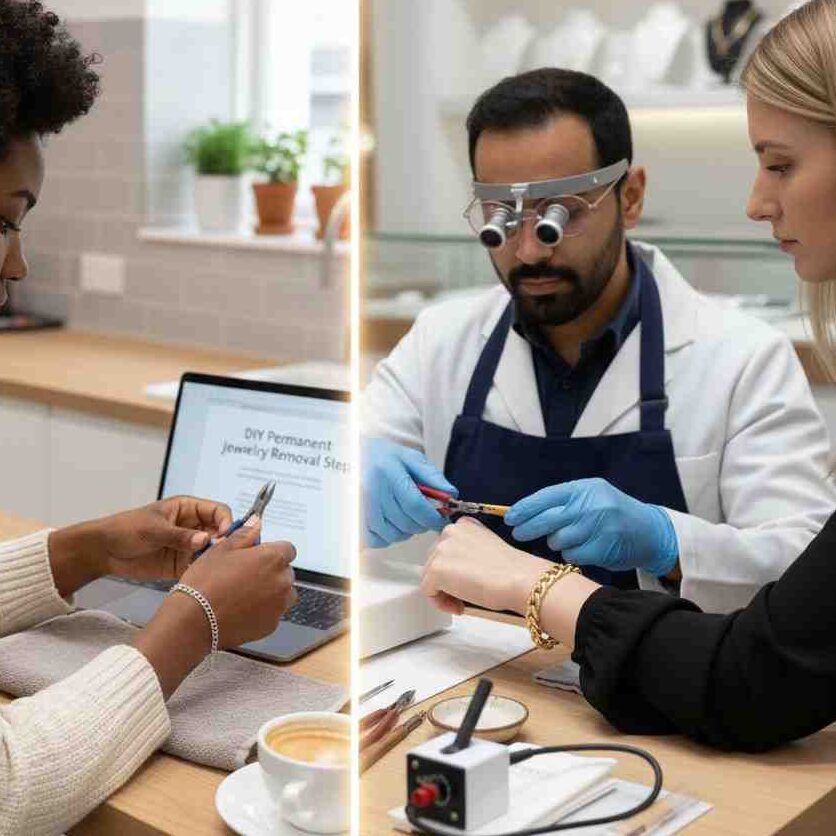
There are two common ways to remove permanent jewelry. Both are safe and quick.
The details of both methods are given below:
1: Removing from a professional jeweler
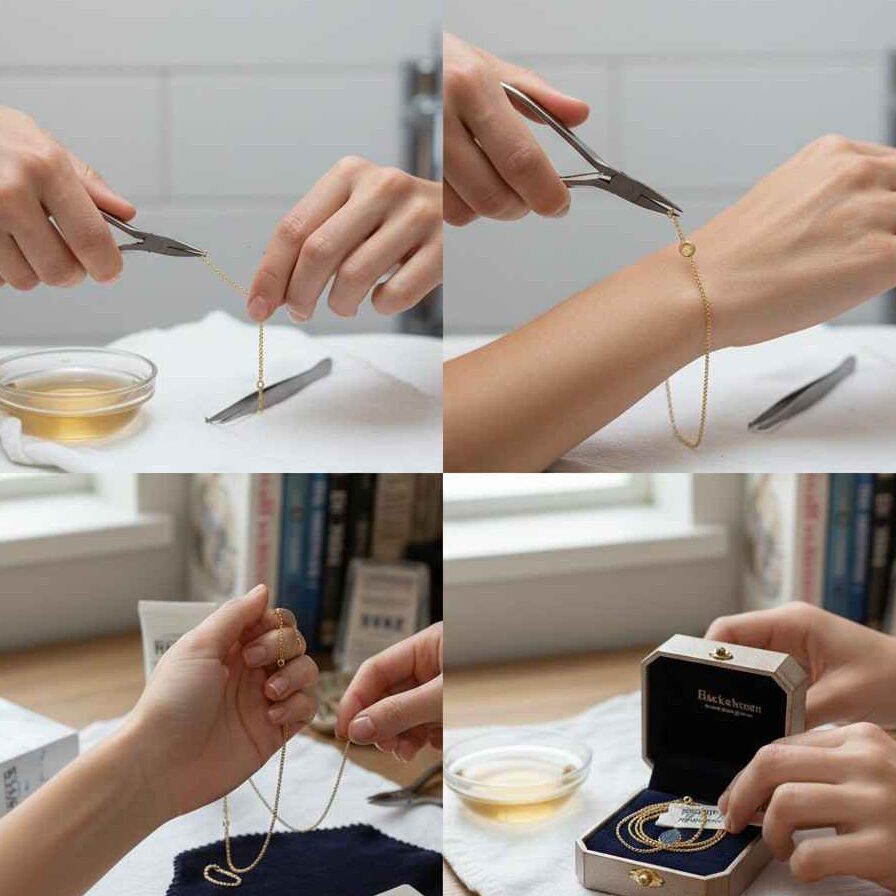
To remove the permanent jewelry from a professional jeweler is the safest and most recommended way because a professional jeweler:
- Uses a special tool designed for delicate work.
- Can safely remove it without damaging it.
- Can weld your jewelry again.
2: Remove permanent jewelry at home
While professional removal is always recommended, I know sometimes there are circumstances when you need to remove your permanent jewelry immediately.
The common methods of removing permanent jewelry at home are given below:
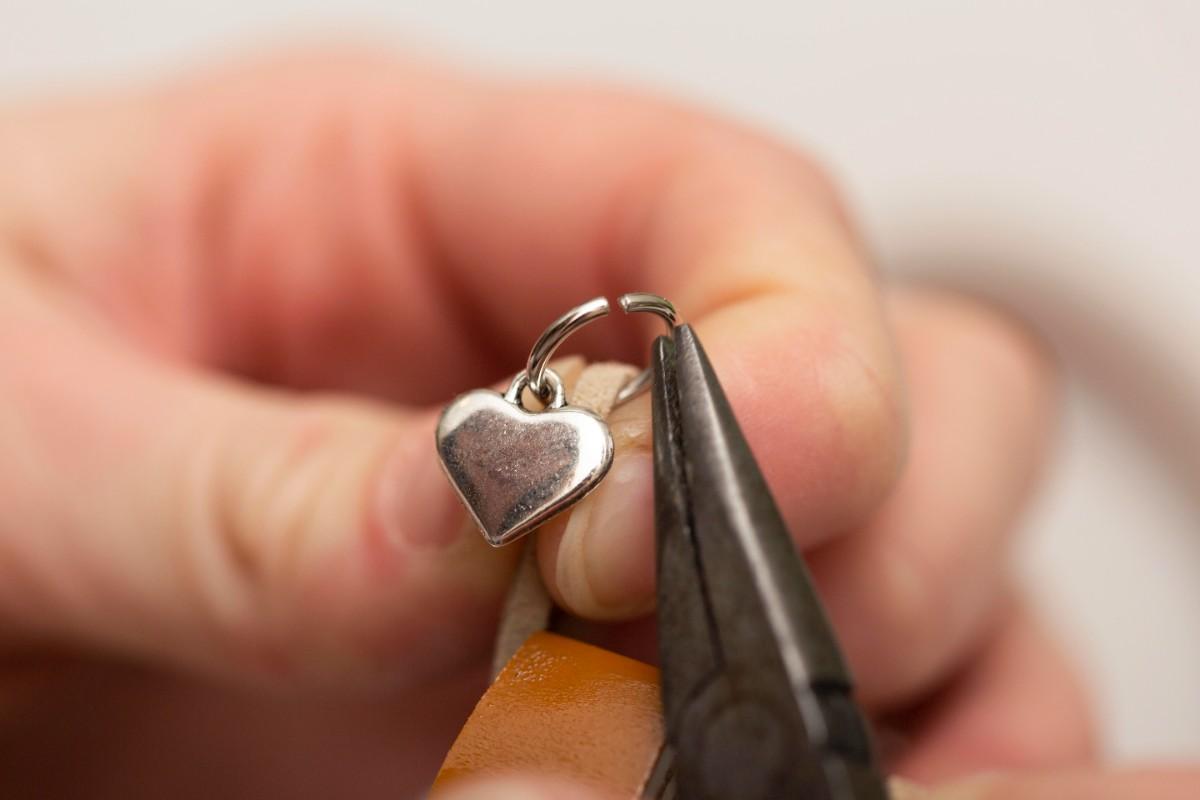
- Search for the part of the jewelry where both ends of the jewelry were welded together, which is called a jump ring. In this process, you can take the help of a magnifying glass.
- Put a small pair of scissors, nail clippers, or wire cutters between the links.
- Cut the jewelry carefully with strong hands and save your skin from cuts.
Why you may need to remove permanent jewelry
Let’s discuss why you might need to remove your permanent jewelry:
Medical procedures
- Imaging tests:
When you are going for your imaging tests, like MRIs, X-rays, and CT scans, you are asked to remove all accessories from your body for safety precautions. Metal can interfere with powerful magnets and distort scans.
- Surgery:
At the time of surgeries, you are asked to remove all foreign objects for safety to prevent burns or interference with tools, especially in electrocautery procedures.
- Doctor visits:
When you are visiting your local doctor or an emergency room, the doctor may ask you to remove all your accessories. So you should remove your permanent jewelry before visiting your doctor.
- Emergency Situations:
In accidents or emergencies, medical staff may need to remove your wrist, ankle, or neck jewelry for treatment.
Swelling:
Pregnancy or other conditions can cause significant swelling, and you have to remove permanent jewelry.
TSA/Security:
When you are at the airport or any other checkpoint and going through security, metal detectors can beep, and officers may create issues. Therefore, it is advisable to remove your permanent jewelry before traveling to the airport or checkpoints.
Allergies:
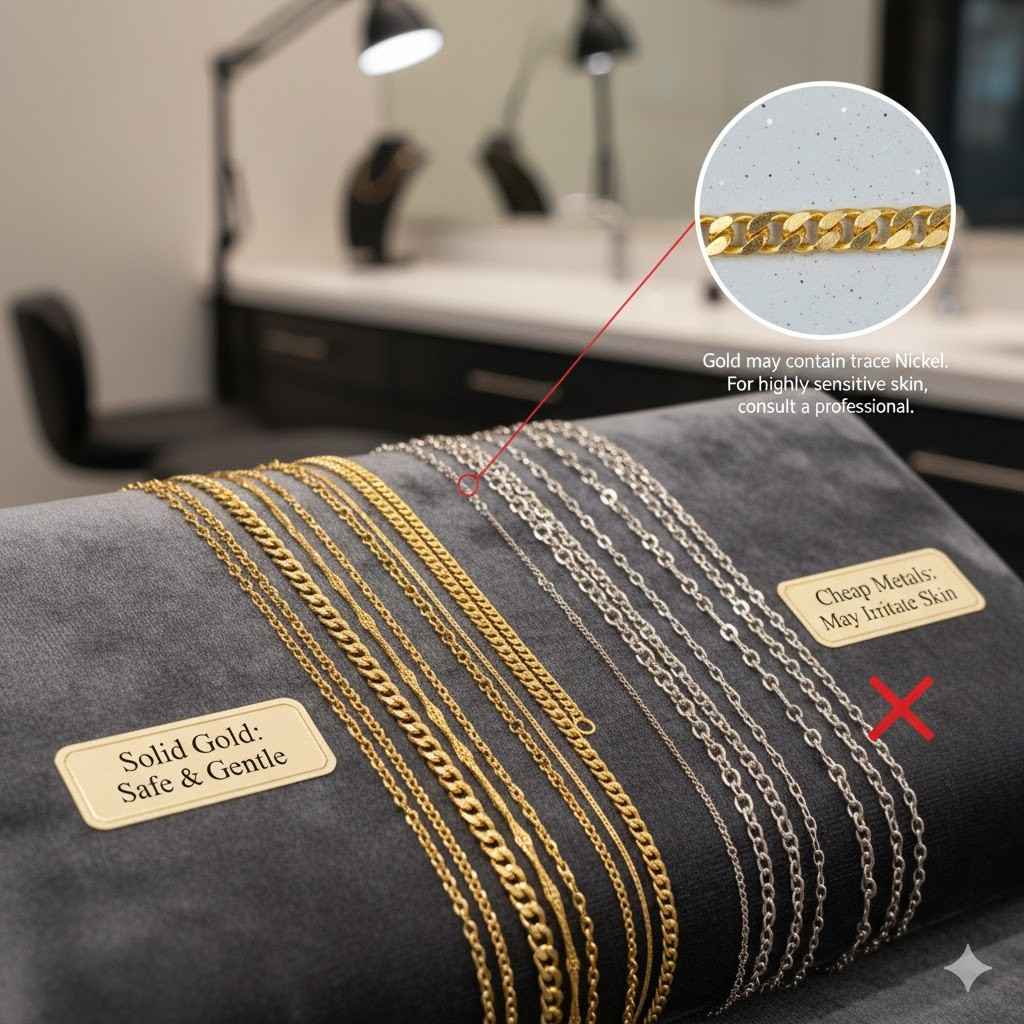
An allergy is a common reason to need permanent jewelry removed. When you feel itching, redness, tenderness, swelling, and warmth where the jewelry touches your skin, remove the jewelry immediately to stop exposure. Treat the allergy using steroid cream or antihistamine, and see the doctor if you need to.
Hygiene and Skin Care:
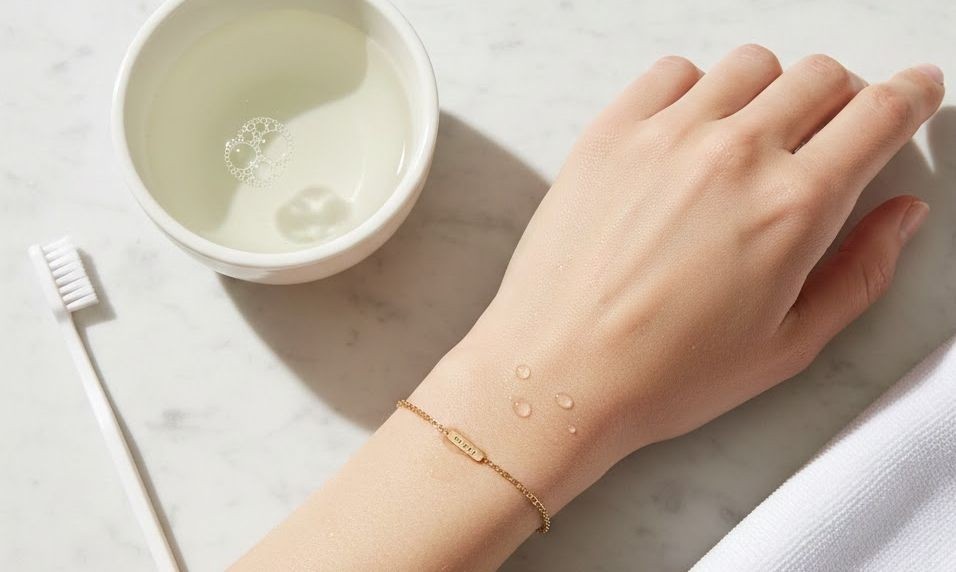
Permanent jewelry can trap soap, sweat, lotion, or bacteria underneath. If you notice bad odor, rashes, or skin buildup around the jewelry area, you should remove it for proper cleaning and skin health.
Workplace Policies:
Many jobs ask employees to remove permanent jewelry. In jobs where machines are used, jewelry can get stuck and cause accidents. In hospitals and food-related work, jewelry may not be allowed for safety and hygiene reasons. Always check the workplace handbook before starting the job; if jewelry is not allowed, you should remove your jewelry to avoid problems. Because safety rules are usually strict.
Professional Appearance or Dress Codes
Some formal events, corporate roles, or interviews require a jewelry-free appearance. In such cases, you should remove it according to professional or formal dress expectations.
Sports
Most organized sports, like soccer, basketball, cheerleading, rugby, tennis, and golf, do not allow any type of jewelry, including permanent jewelry. This rule is mainly for safety. Jewelry can get caught during play and cause serious injuries like cuts, broken fingers, or torn skin. It can also hurt other players.
Because of these risks, referees usually do not allow players to compete until all jewelry is removed. Before choosing permanent jewelry, think about your daily activities. If you play sports often, you may need to cut and re-weld the jewelry many times. Always check your sport’s official rules so you don’t face problems on game day.
Travel to Certain Countries
In some countries or cultures, wearing visible jewelry may not be considered safe. During international travel, you should remove permanent jewelry to respect local customs or avoid unwanted attention.
Life routines
Life routines change. For example, gym, yoga, swimming, or hands-on hobbies like gardening, painting, or DIY projects make permanent jewelry uncomfortable or unsafe to wear daily.
Emotional or Personal Reasons
Sometimes jewelry is linked to memories or relationships. If the emotional meaning changes, like after a breakup or life transition, you need to remove the jewelry for personal peace and closure.
Skin Healing or Tattoo Work
If you are getting a tattoo, laser treatment, or skin procedure near the jewelry area, permanent jewelry must be removed to avoid interference, burns, or uneven healing.
Change of Style:
A change in personal style is the common reason to remove the permanent jewelry. If you are fed up with wearing the same style and want to change your jewelry according to the new fashion trend, then you may need to remove it.
Damage/resizing:
If your jewelry gets damaged and you want to repair it, or if it becomes too tight because of weight gain or swelling, then you may need to remove your jewelry so it can be resized properly.
Upgrading or Customizing Jewelry
If you want to upgrade your permanent jewelry by adding charms, switching metals, or changing chain thickness. You may need to remove it to create a new customized version.
Remember, just because it’s called “permanent jewelry” doesn’t mean it has to stay on forever.
Safety of Jewelry
Once your permanent jewelry has been removed:
- Store it in a small jewelry pouch or box
- Keep it away from moisture and harsh chemicals
- Save all pieces, even small ones, as they may be useful for repairs
- If you want to reweld it, save it carefully to prevent further damage
Final Words
Permanent jewelry is special because it’s not just a bracelet or necklace—it is a piece of meaning, love, and style that you can wear every day. It’s strong, easy to care for, and can be adjusted or removed if needed.
Before getting permanent jewelry, think about your daily activities and how often you like to change your jewelry. If it fits your lifestyle, it can be a beautiful and lasting accessory.
With the right care, your permanent jewelry can stay shiny and look new for many years, reminding you of special moments or important relationships.
It’s not just jewelry—it’s a part of you!
Frequently asked questions
1: Can you remove permanent jewelry yourself?
Yes, you can remove permanent jewelry yourself with the help of scissors, wire cutters, or nail clippers.
2: Can I wear permanent jewelry during surgery?
No, you can’t wear permanent jewelry during surgery. Because you are asked to remove all foreign objects for safety to prevent burns or interference with tools, especially in electrocautery procedures.
3: Can I fly with permanent jewelry?
Yes, you can fly, swim, shower, and sleep without removing it.
4: Is permanent jewelry allowed in sports?
No, permanent jewelry is not allowed in sports. It can get caught during play and cause serious injuries like cuts, broken fingers, or torn skin. It can also hurt other players.
5: Is there an age limit for permanent jewelry?
Permanent jewelry is available for ages 18+ and minors between the ages of 10 and 17 with guardian consent.
Start your permanent jewelry journey now and carry your memories, love, and style with you forever!