Many people hear about permanent jewelry and ask one simple question: how does permanent jewelry work? I get this question all the time.
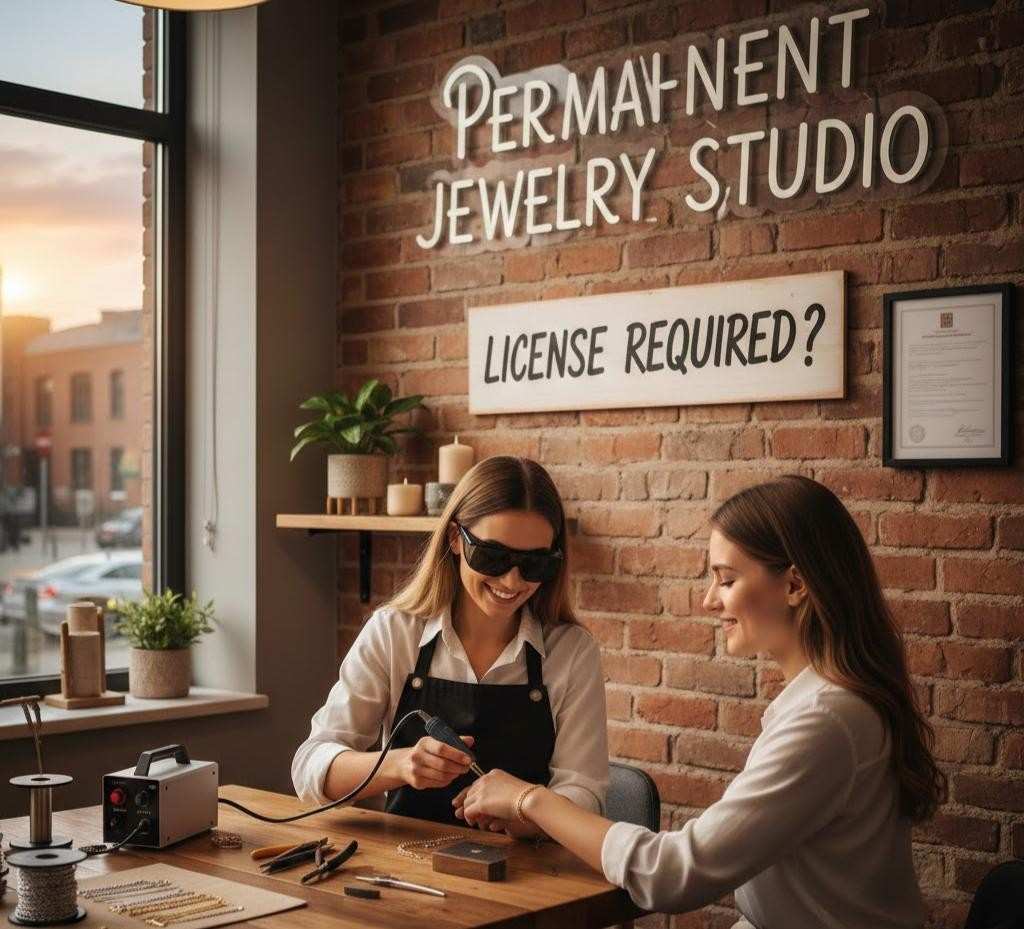
Permanent jewelry works by custom-fitting a fine chain around your wrist, ankle, or neck and then welding it closed with a small, controlled spark. There’s no clasp, no glue, and no discomfort. The process takes only a few minutes and is done safely by a trained professional.
The goal is to create a piece of jewelry you don’t have to think about every day. You don’t put it on. You don’t take it off. You simply wear it as part of your daily life.
In this article, I’ll explain the process step by step, how the welding works, and what you should know before getting permanent jewelry, so you can decide if it’s right for you.
How Does Permanent Jewelry Work? (Step-by-Step Process)
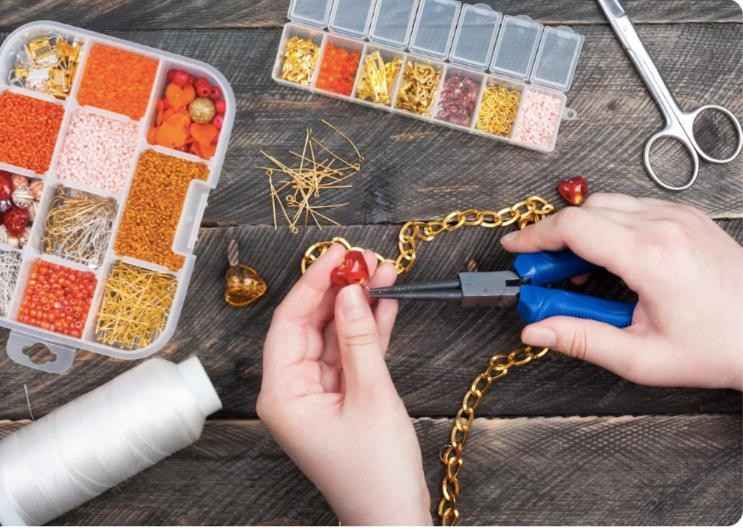
Permanent jewelry follows a careful, professional process. Each step matters because this jewelry is meant to stay on for a long time. I’ll break it down clearly, so you know exactly what happens from start to finish.
Step 1: Choosing the Right Chain
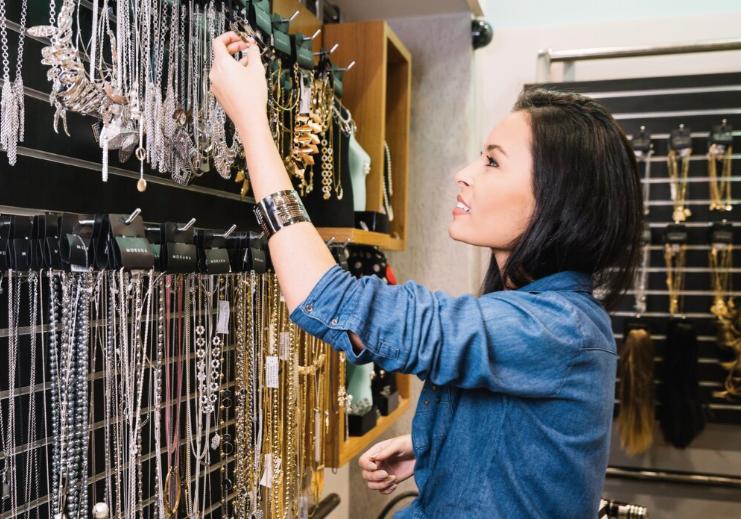
This is where everything begins. The chain is the foundation of permanent jewelry.
Chain Styles
I help choose chains that are:
- Lightweight
- Smooth on the skin
- Strong enough for daily wear
Most permanent jewelry uses fine cable, curb, or rolo chains. These styles bend easily with your movement and are less likely to snag.
Thick or sharp-edged chains are usually avoided because they can feel uncomfortable over time.
Length Fitting
Permanent jewelry is never “one size fits all.”
I always select a chain slightly longer than the exact measurement so it sits naturally and doesn’t pull when you move.
Too tight feels uncomfortable.
Too loose increases the risk of snagging.
Metal Selection
Metal choice is extremely important.
Common options include:
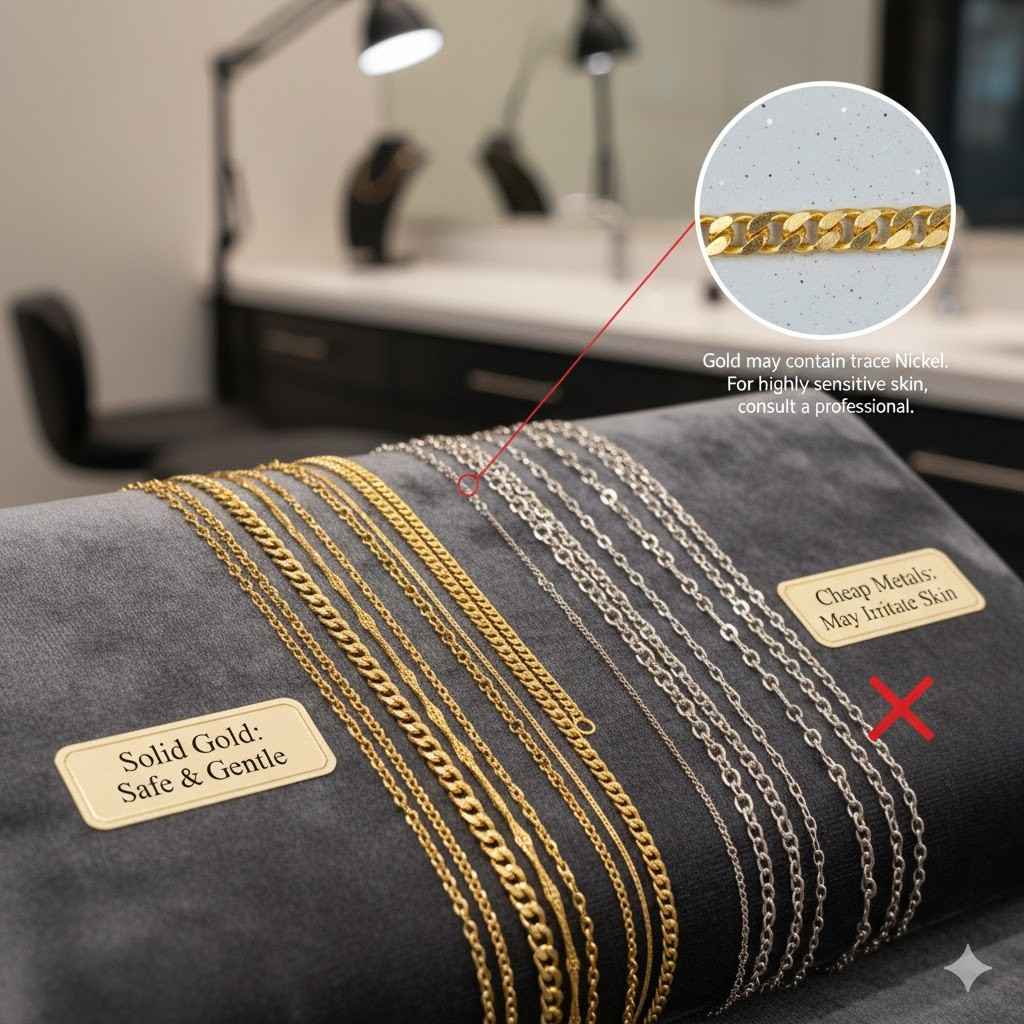
- 14k gold (most popular for permanent jewelry)
- 18k gold (softer, more luxury-focused)
- Sterling silver (affordable but needs care)
- Platinum (strong and skin-friendly)
For sensitive skin, I always recommend solid gold or platinum because they don’t contain harsh alloys.
Step 2: Skin & Lifestyle Check (Often Ignored by Others)
Before sizing, I always consider how the jewelry will be worn.
I ask about:
- Daily activities
- Work type
- Gym or sports habits
- Skin sensitivity
This step helps prevent future problems. Someone who works with their hands all day needs a slightly different fit than someone with a desk job.
Step 3: Custom Sizing & Measurement
Why Proper Sizing Matters
Permanent jewelry stays on 24/7, so comfort is everything.
Poor sizing can cause:
- Constant pressure on the skin
- Red marks
- Higher breakage risk
How I Measure
I measure directly on the body using a soft measuring chain or sizing wire. I leave a small natural gap, usually about 2–3 millimeters, so the jewelry moves comfortably but doesn’t slide excessively.
This balance is what makes permanent jewelry feel almost invisible once it’s on.
Step 4: Preparing the Weld Area
Before welding, I prepare everything carefully.
This includes:
- Cleaning the chain ends
- Aligning the jump ring perfectly
- Positioning protective barriers
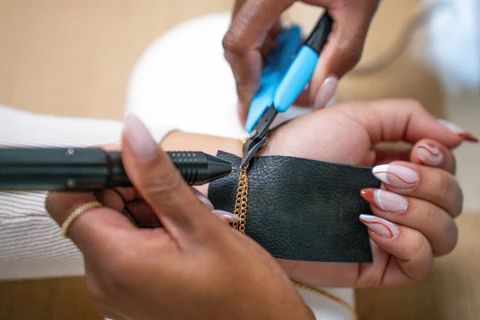
A small leather or heat-resistant shield is placed between the jewelry and the skin. This step protects the skin completely during welding.
Step 5: The Welding Process Explained
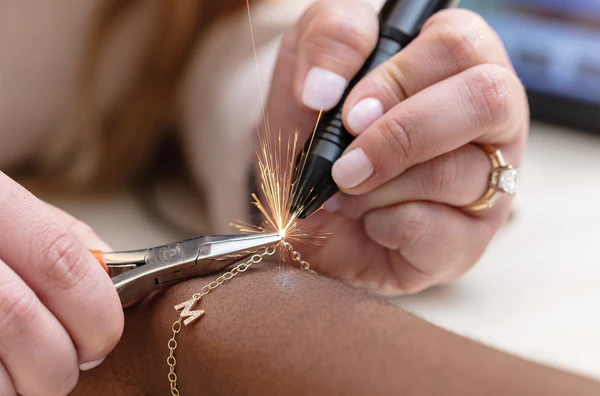
This is the step most people are curious about.
What Micro-Welding Is
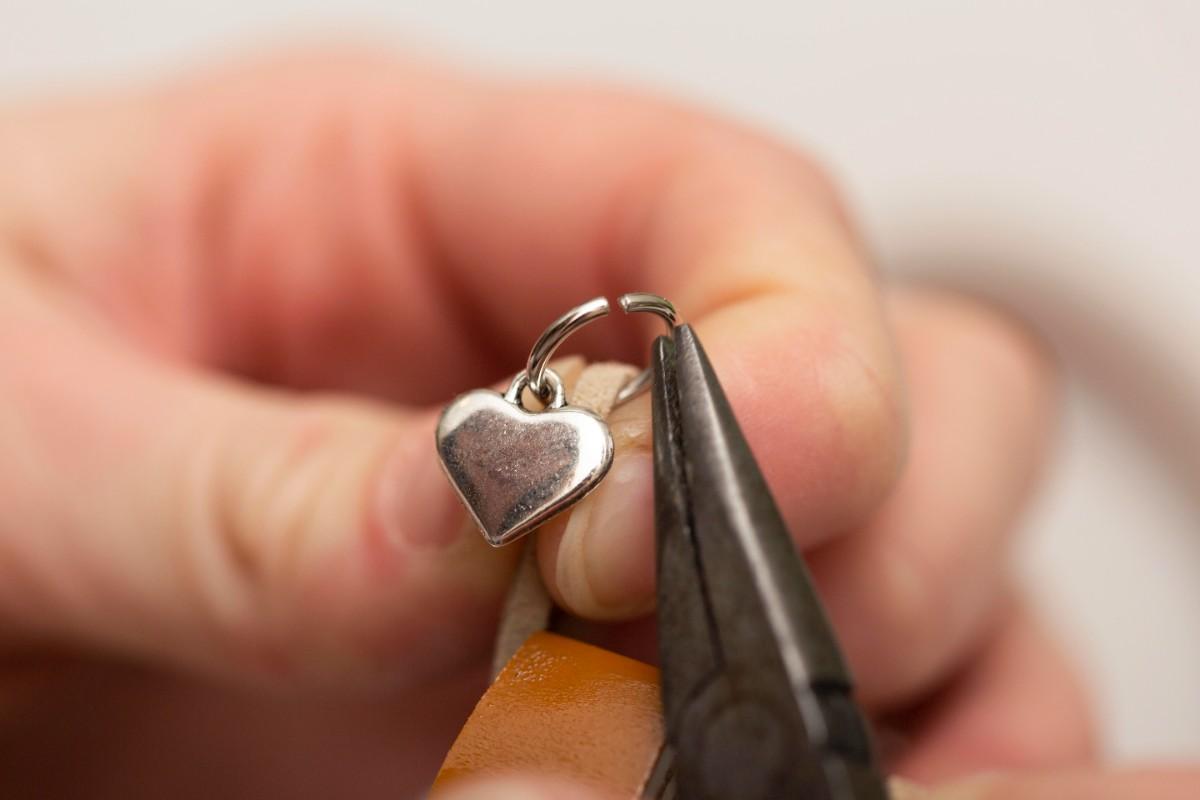
Permanent jewelry uses micro-welding, not traditional soldering. A tiny, controlled electrical spark closes the jump ring that connects the chain ends.
The spark lasts less than one second.
How the Chain Is Closed
I position the jump ring between the chain ends, then apply the weld. The metal bonds instantly, creating a smooth, closed circle with no clasp.
There is no dripping metal and no open flame touching the skin.
Why It Doesn’t Hurt
The heat is:
- Extremely focused
- Directed only at the metal
- Too brief to transfer to the skin
Most people feel nothing at all. Some notice a quick flash of light, but no pain.
Protective Tools Used
I always use:
- Skin shields
- Precision welding tools
- Safety glasses for the client
These tools make the process controlled and safe.
Step 6: Strength & Security Test
After welding, I never stop there.
I gently test the connection by:
- Checking the weld seam
- Lightly tugging the chain
- Making sure there are no sharp edges
If the weld isn’t perfect, I re-weld it immediately. This step ensures the jewelry holds up during daily wear.
Step 7: Comfort & Movement Check
Once the jewelry is secure, I ask the wearer to:
- Move their wrist or ankle
- Rotate the area
- Relax the limb fully
This confirms:
- No pinching
- No tight pulling
- Natural movement
Permanent jewelry should feel light and effortless, not restrictive.
Step 8: Aftercare Guidance
Before the client leaves, I explain:
- What to expect in the first 24 hours
- How the jewelry should feel
- What activities are safe right away
Most people forget they’re wearing it within a few hours — that’s how permanent jewelry is supposed to work.
Also Read: Permanent Jewelry Costs
What Type of Welding Is Used in Permanent Jewelry?
Permanent jewelry uses micro-welding, not traditional soldering. This difference is important, and many people don’t realize it.
Micro-Welding vs. Soldering
Soldering uses an open flame and melted solder to join metal. It creates a lot of heat and is common in jewelry repairs done on a bench, not on the body. Soldering is not safe for jewelry that is being attached while someone is wearing it.
Permanent jewelry welding works differently. I use micro-welding, which creates a tiny, controlled electrical spark to close a small jump ring. The spark is focused only on the metal connection point. There is no open flame and no flowing metal.
This method is specifically designed for delicate chains and on-body work.
Why the Heat Never Touches the Skin
One of the biggest concerns I hear is about heat. The truth is, the heat doesn’t reach the skin at all.
Micro-welding works because:
- The spark lasts less than one second
- The heat is concentrated in a very small area
- A protective shield is placed between the jewelry and the skin
Because of this, heat does not transfer to the body. Most people don’t feel anything beyond a quick flash of light.
How Fast the Process Is
The actual permanent jewelry welding step takes only a few seconds. From positioning the chain to completing the weld, the process is usually finished in under one minute.
The entire appointment, including sizing and setup, often takes 10 to 15 minutes. That speed is one reason permanent jewelry is so popular — it’s quick, clean, and efficient.
Is Laser Welding Used in Permanent Jewelry?
Some studios use laser welding jewelry tools, which work in a similar controlled way. Laser welding is precise and clean, but most permanent jewelry applications rely on micro-welding because it is faster, portable, and ideal for small jump rings.
Both methods are safe when used correctly, but micro-welding remains the most common and practical option for permanent jewelry welding.
Frequently Asked Questions
Is permanent jewelry really permanent?
Permanent jewelry is meant to be long-term, not unremovable. It stays on because there is no clasp, but it can be cut off if needed. I always explain that “permanent” means you don’t take it on and off daily, not that it’s stuck forever.
Can permanent jewelry break or snap?
Yes, it can break, just like any jewelry. Snagging on hard objects or repeated pulling can cause the chain to snap. The good news is that most permanent jewelry can be re-welded if it breaks and the chain is still intact.
What happens if permanent jewelry snaps?
If it snaps, it usually breaks at the weakest point, which is the jump ring or chain link. I recommend keeping the chain and bringing it back for repair. In many cases, I can reattach it in minutes.
Is permanent jewelry safe for sensitive skin?
Yes, if the right metal is used. I always recommend solid 14k gold, 18k gold, or platinum for sensitive skin. These metals are less likely to cause irritation because they don’t contain harsh alloys. Cheap or plated metals are more likely to cause skin reactions.
Is permanent jewelry dangerous?
Permanent jewelry is safe when applied by a trained professional. The welding process uses a tiny spark that does not touch the skin. A protective barrier is always used. The biggest risk comes from poor-quality chains or improper sizing, not the welding itself.
Can I travel or go through airport security with permanent jewelry?
Yes, permanent jewelry does not cause problems at airports. Fine gold and silver chains do not trigger metal detectors. I’ve seen clients travel internationally without any issues. Permanent jewelry works just like regular jewelry during security checks.
Can I get an MRI with permanent jewelry on?
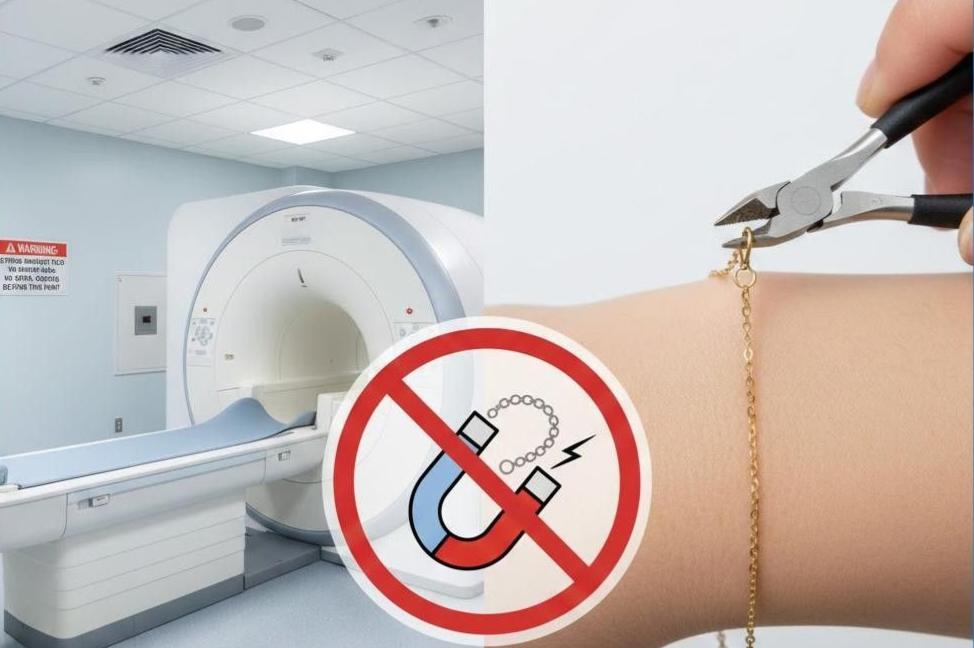
This depends on the metal. Solid gold and silver are non-magnetic, but many medical facilities still require all jewelry to be removed. If needed, permanent jewelry can be cut off safely before an MRI and re-welded later.
How do they put permanent jewelry on you?
I custom-fit the chain directly on your body, connect the ends with a small jump ring, and close it using micro-welding. The process takes only a few minutes and does not hurt.
How do you remove permanent jewelry?
Permanent jewelry is removed by cutting the jump ring with small jewelry cutters or scissors. It’s quick and painless. I always suggest cutting at the jump ring so the chain can be reused later.
Does permanent jewelry tarnish?
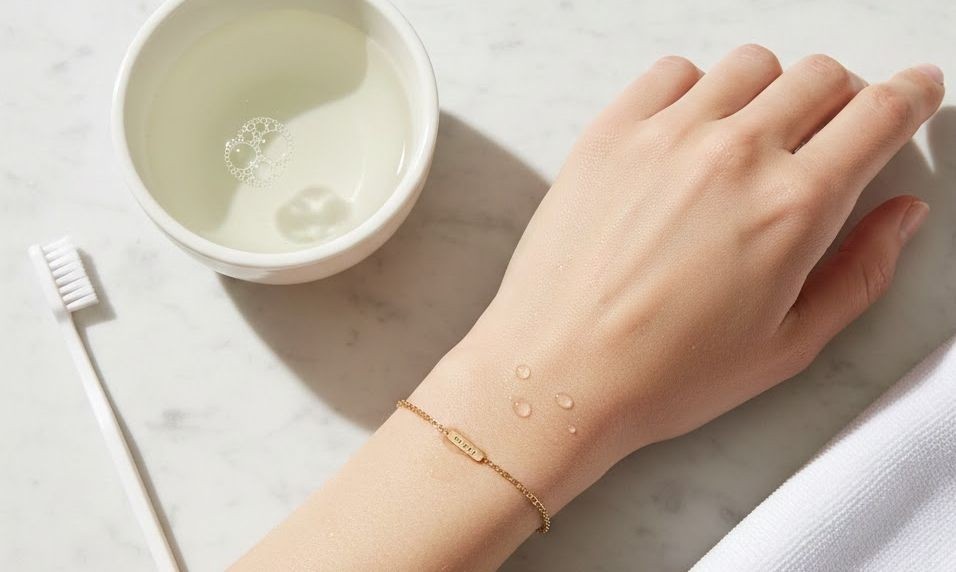
It depends on the metal. Solid gold and platinum do not tarnish. Sterling silver can tarnish over time, especially with moisture and chemicals, but it can be cleaned easily. Daily wear often reduces tarnish because of natural movement.
What is permanent jewelry made of?
Permanent jewelry is usually made from solid gold, sterling silver, gold-filled, or platinum chains. I always recommend high-quality metals because they last longer and are safer for the skin.
What are the downsides of permanent jewelry?
Permanent jewelry is not ideal for everyone. It may need to be cut for medical reasons, it can break if snagged, and cheaper metals may tarnish or irritate skin. That’s why material choice and proper sizing matter so much.