Your question is, can I wear permanent jewelry during an MRI?
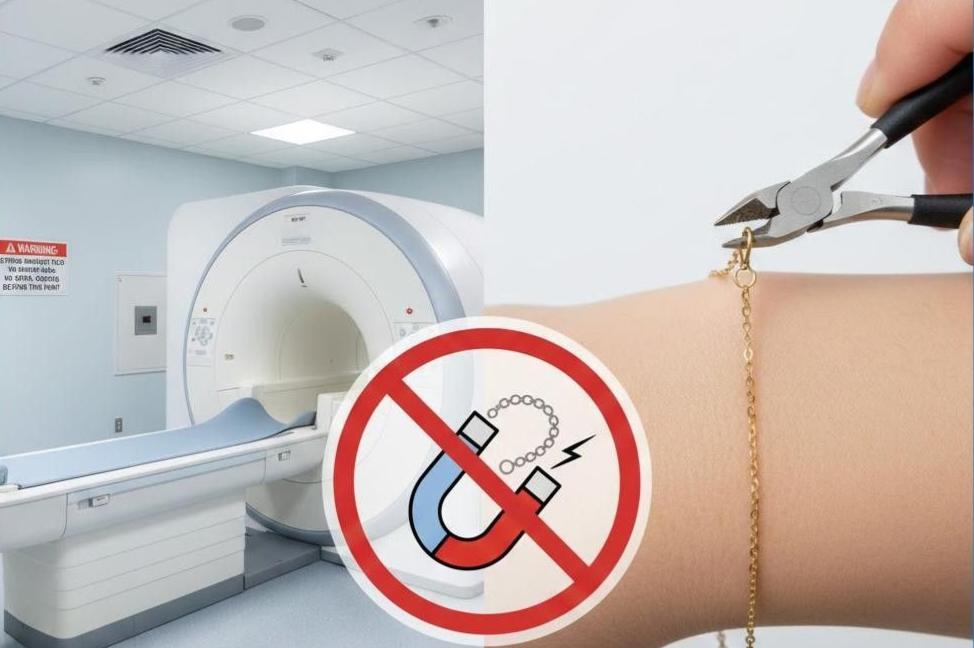
No, you can’t wear permanent jewelry during an MRI because MRI machines usually use powerful magnets. Most metals can react to the strong magnetic field, which can cause your jewelry to heat up and burn your skin. It can interfere with the scan and affect the image quality.
Medical specialist Dr. Sarah Mitchell says, “For patient safety and accurate imaging, all metal jewelry should be removed before an MRI.”
As a medical professional, I always advise removing permanent jewelry before an MRI. Even small metal pieces can create risks in a strong magnetic field.
Let’s know:
- Is it safe or unsafe to wear jewelry during an MRI?
- What is an MRI, and how does it work?
- What is permanent jewelry?
- What kind of metals are risky?
- A tragic incident
- What to do?
- FAQs
Is it safe or unsafe to wear jewelry during an MRI?
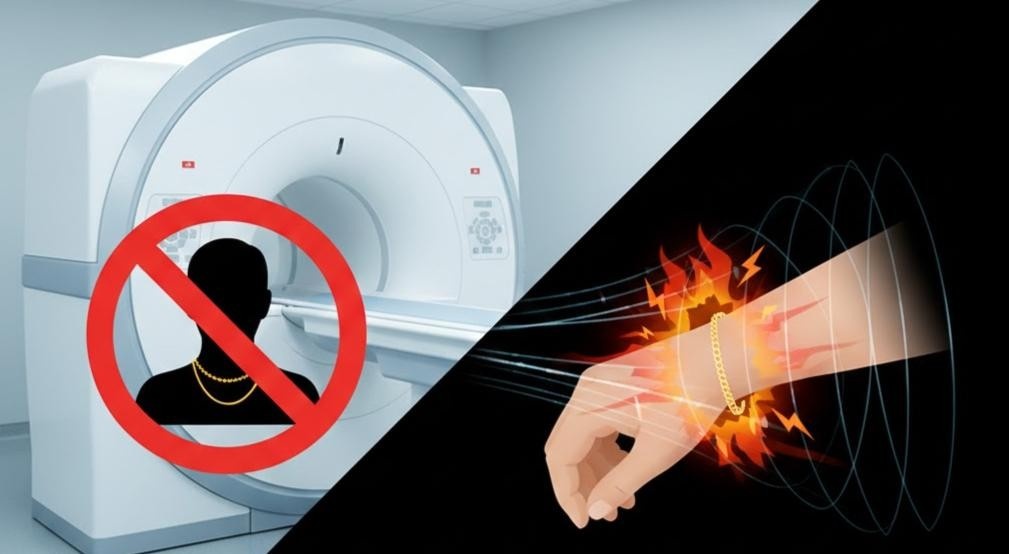
MRI machines use very powerful magnets, which can react with metals. That’s why wearing jewelry during an MRI is unsafe. The MRI machine’s magnet can heat the metal, burn your skin, cause injury, move the jewelry, interfere with the scan, and affect the image quality.
Radiologist Dr. James Carter says, “MRI machines use very strong magnets, so wearing permanent jewelry during a scan can be unsafe.”
So it should always be removed, even if it’s gold or silver.
An MRI patient, Emily Roberts, shares, “My doctor advised me to remove my permanent jewelry before the MRI, and I felt much safer during the scan.”
What is an MRI, and how does it work?
An MRI (Magnetic Resonance Imaging) is a medical test that doctors use to see clear images of the inside of the body. It helps diagnose problems in organs, tissues, and bones without using X-rays.
MRI machines work by using a strong magnetic field and radio waves. The magnet aligns the hydrogen atoms in the body, and radio waves send signals that create detailed images. A computer then turns these signals into pictures that doctors can study to understand what is happening inside the body
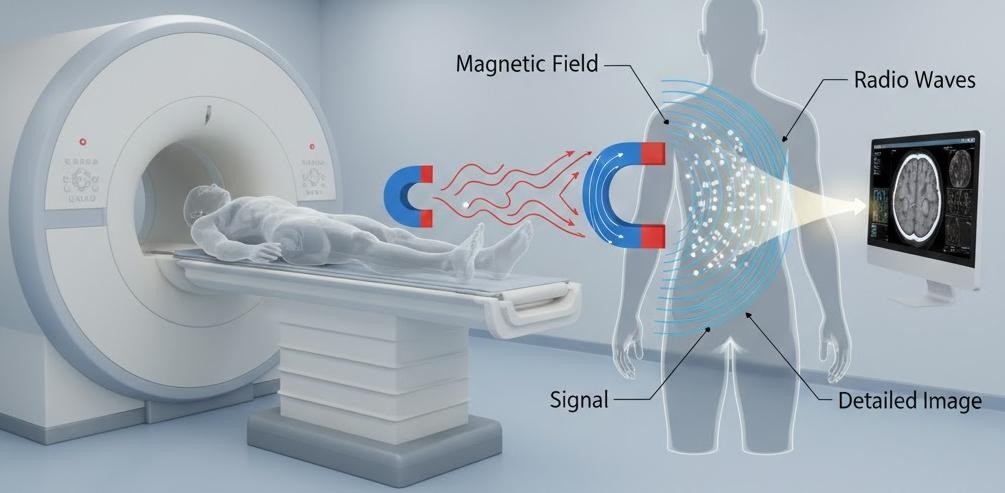
MRI pioneer, Dr. Raymond Damadian,
“MRI is a powerful tool that allows us to see inside the human body without surgery, using magnets and radio waves to reveal details invisible to the naked eye.”
What kind of metals are risky?
Metals react to magnets in different ways:
- Ferromagnetic (very magnetic): Metals like iron, nickel, and cobalt. These are the most dangerous metals, which can move or heat up to dangerously high temperatures. That’s why they can cause serious injuries.
- Paramagnetic (somewhat magnetic): Includes aluminum and platinum. They are less risky but still not worth taking the risk.
- Diamagnetic (barely magnetic): Includes gold, silver, and copper. These may not be magnetic, but they can still affect image quality or cause discomfort.
Even non-jewelry items like bras with metal clasps or pants with zippers can be a problem. And let’s be real, most of us don’t remember what every earring or piercing is made of. Better to play it safe and go metal-free.
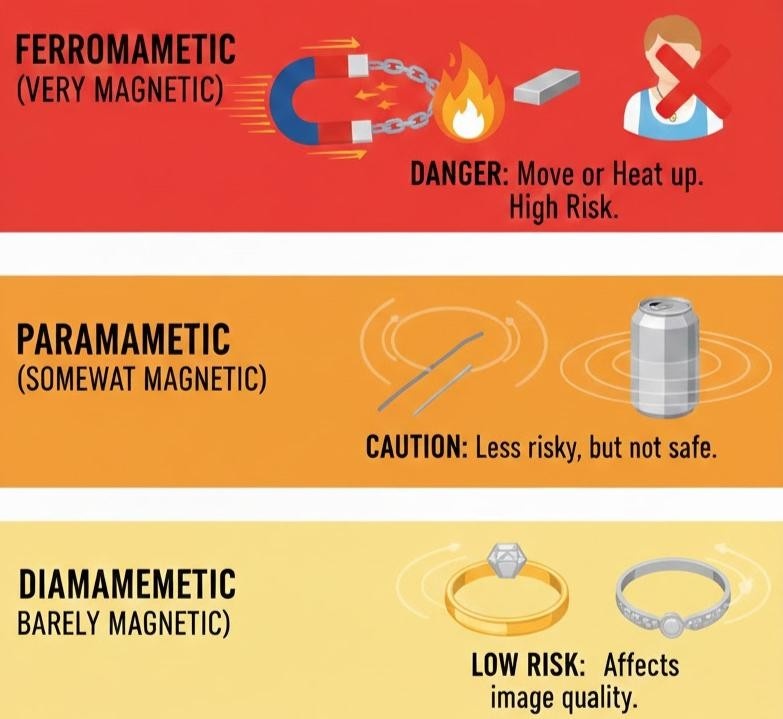
All types of metals Whether they are magnetic or non-magnetic, MRI centers take precautions and ask patients to remove all kinds of jewelry.
A tragic incident
A very sad MRI accident happened in New York. A 61-year-old man went to a clinic for an MRI. He was wearing a metal chain around his neck. When he entered the MRI room, the strong magnets in the machine pulled the chain toward the machine. The chain was so heavy and strong that it pulled him too, and he got seriously hurt. He was taken to the hospital, but, sadly, he passed away the next day.
Officials said this accident could have been prevented. MRI rooms have very powerful magnets, so no metal or jewelry should ever be worn near an MRI. Even a small mistake can be very dangerous.
This incident is a serious reminder: always remove all jewelry and metal items before going into an MRI room.
What to do
You should follow these steps before an MRI:
- Inform Your Provider:
Tell your doctor and the MRI facility about your permanent jewelry when scheduling and again before the scan.
- Ask About Their Policy:
Ask if their facility has a specific policy or if they’ll test it with a magnet.
- Be Prepared to Remove It:
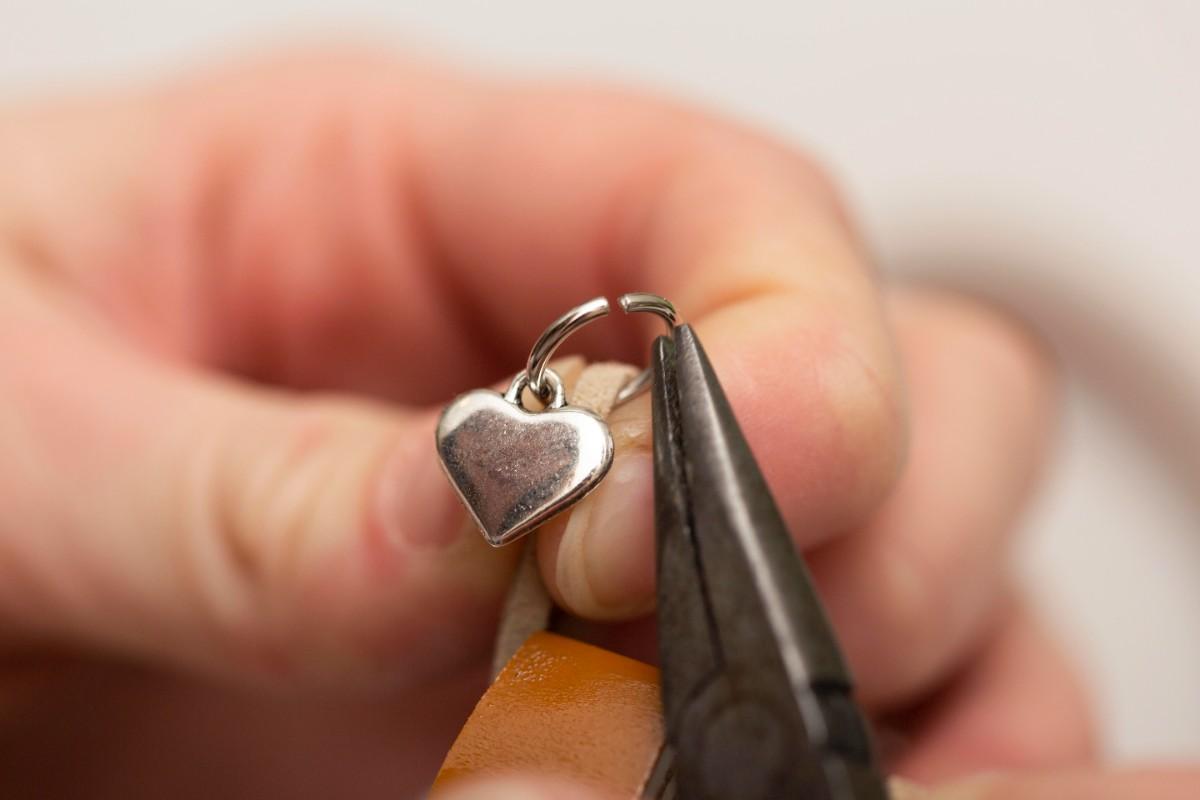
If required, have the jump ring cut off by the jeweler; many jewelers offer free re-welding after the scan.
- Consult Your Jeweler:
They can advise if your specific metal (e.g., pure gold vs. stainless steel) is safer, but facility rules usually take precedence.

Final words
Your safety always comes first. Removing jewelry may be a minor hassle, but it’s a major way to protect yourself. The safest way is to remove all jewelry before your MRI. Always tell your doctor and the MRI staff about any jewelry you have. By being careful, you can make sure your MRI is safe and stress-free.
FAQs
1: How to take off permanent jewelry for an MRI?
Remove permanent jewelry by locating and cutting the jump ring that connects the piece’s two ends. You can use a pair of scissors, wire cutters, or nail clippers to achieve the cut.
2: What happens if you accidentally wear metal in an MRI?
In most cases, wearing jewelry during an MRI can cause serious injuries or death. MRI machines usually use very strong magnets. Most metals can react to the strong magnetic field.
3: Can you wear nail polish during an MRI?
You should remove makeup, nail polish, or other cosmetics that may contain metallic particles if applied to the area of the body undergoing the MRI examination.
4: Are permanent bracelets magnetic?
Most permanent jewelry is made of silver or gold, which is nonmagnetic, durable, and resistant to the elements. But MRI centers take precautions and ask patients to remove all kinds of jewelry.
5: Can you wear headphones in an MRI?
The MRI scanner will make a lot of noise as it takes images. This is normal. You should be offered earplugs and/or headphones to make the noise sound less loud.