I get this question almost every week in my studio: does permanent jewelry tarnish?
People hear the word permanent and assume it means the jewelry will look brand new forever. I wish that were true—but I also believe in being honest.
The truth is, yes, permanent jewelry can tarnish, but it doesn’t always. It depends on the metal, how your body reacts to it, and how you care for it in daily life. I’ve seen pieces stay shiny for years, and I’ve also seen others dull much sooner—sometimes for reasons people never expect.
In this article, I’ll walk you through what tarnish really is, which permanent jewelry metals last the longest, and how I help my own clients keep their jewelry looking beautiful for as long as possible.
What Is Tarnish?
Before I explain whether permanent jewelry tarnishes, I always make sure people understand what tarnish actually is—because it’s often confused with other damage.
Tarnish is not rust.
Tarnish is not scratches.
And it does not mean your jewelry is ruined.
Tarnish is a surface chemical reaction. That means it happens on the outside of the metal, not deep inside it.
Here’s the simple science, without the confusing words:
Some metals react when they are exposed to air, moisture, or certain chemicals. When that reaction happens, a thin layer forms on the surface of the jewelry. That layer is what we call tarnish. It can look dull, dark, yellowish, or slightly gray depending on the metal.
This is why people search for things like what is jewelry tarnish and why jewelry tarnishes—because it feels unexpected, especially with permanent jewelry.

Tarnish vs Rust
I want to clear this up because I hear it all the time:
- Rust happens to iron and steel and eats the metal away
- Tarnish happens to metals like silver and gold alloys and stays on the surface
- Scratches are physical damage, not a chemical change
So when someone asks me about tarnish vs rust, the answer is simple: tarnish can usually be cleaned, rust cannot.
What Causes Jewelry to Tarnish?
From my experience as a jewelry maker, tarnish is most often caused by:
- Oxygen in the air
- Moisture and humidity
- Sulfur (found in air pollution and even some foods)
- Sweat
- Perfumes, lotions, and soaps
- Chlorine from pools or cleaning products
One thing many people don’t realize is that body chemistry plays a role too. I’ve had clients wear the same chain, from the same batch, and one stays shiny while the other dulls faster. That’s completely normal.
Does Permanent Jewelry Tarnish?
Yes—permanent jewelry can tarnish. I always tell my clients this upfront, because honest expectations matter. “Permanent” refers to how the jewelry is worn, not to how the metal reacts over time.
The metal type is the biggest factor in whether tarnish shows up. Some metals naturally resist air and moisture, while others react more easily. I’ve seen solid gold pieces stay bright for years, while sterling silver can dull much faster if it isn’t cared for properly.
Wearing permanent jewelry every day doesn’t make it immune to tarnish. Daily wear can sometimes slow light surface buildup, but exposure to sweat, humidity, skincare products, and chemicals still affects the metal.
That’s why two people can wear permanent jewelry nonstop and have completely different results. It’s not about luck—it’s about the metal and how it interacts with real life.

Does Permanent Jewelry Tarnish by Metal Type?
This is the most important thing I explain to anyone choosing permanent jewelry. The metal matters more than anything else. Two bracelets can look the same on day one and age very differently over time.
Here’s exactly how the most common permanent jewelry metals behave in real life.
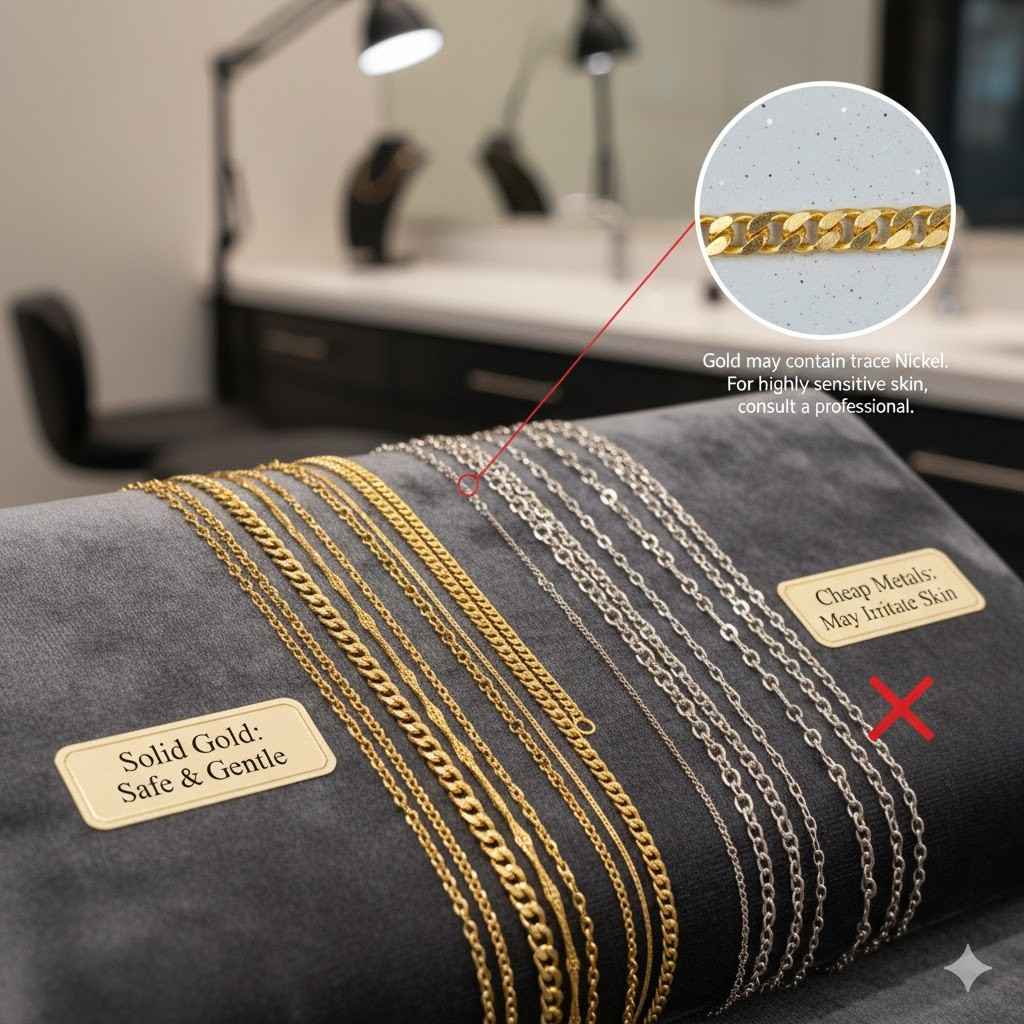
Solid Gold (10k, 14k, 18k)
Tarnish risk: Very low
I usually recommend solid gold because it has the lowest risk of tarnish compared to other metals. Pure gold doesn’t react easily with air or moisture, but most jewelry isn’t 100% pure—it’s mixed with other metals for strength, called alloys.
- 10k gold has more alloy metals, so it’s stronger but slightly more reactive.
- 14k gold is my favorite balance of durability and tarnish resistance.
- 18k gold has the highest gold content, so it resists tarnish very well, though it’s softer.
From years of making and welding permanent jewelry, I can confidently say solid gold is the safest choice for long-term wear, as long as you understand that very minor dulling is possible in lower karats.
Gold-Filled Jewelry
Tarnish risk: Low
Gold-filled jewelry is often misunderstood. It is not the same as gold-plated.
- Gold-filled jewelry has a thick layer of solid gold bonded to a base metal
- Gold-plated jewelry has a very thin coating that wears off quickly
Because the gold layer in gold-filled jewelry is much thicker—usually about 100 times thicker than plating—it holds up far better with daily wear. That’s why I recommend gold-filled permanent jewelry to clients who want durability without the cost of solid gold.
With proper care, gold-filled permanent jewelry can stay beautiful for years.
Sterling Silver
Tarnish risk: High
This is where most tarnish questions come from. Yes—sterling silver permanent jewelry does tarnish.
Sterling silver is made of 92.5% silver and 7.5% other metals, usually copper. Silver reacts easily with sulfur in the air, forming a dark layer on the surface. This reaction happens faster in humid environments or when exposed to sweat and skincare products.
The good news is that tarnish on sterling silver is normal and removable. It doesn’t mean the jewelry is poor quality—it just means it needs more regular care.
Stainless Steel
Tarnish risk: Very low
Stainless steel is surprisingly strong when it comes to resisting tarnish. It forms a thin protective layer that blocks oxygen and moisture from reacting with the metal underneath.
Pros:
- Very resistant to tarnish and rust
- Affordable
- Low maintenance
Cons:
- Limited color options
- Not considered fine jewelry
- Can’t be resized or adjusted as easily as gold
For some clients, stainless steel permanent jewelry is a practical choice, especially for active lifestyles.
If you’re deciding on the best metal for permanent jewelry, I always say this: choose the metal that fits your lifestyle, not just your budget. Tarnish isn’t a deal-breaker—it’s something you plan for.
Does Wearing Permanent Jewelry All the Time Prevent Tarnish?
This is one of the most misunderstood ideas I hear, and I want to be very clear and honest about it.
Wearing permanent jewelry all the time can help a little, but it does not fully prevent tarnish.
Here’s what actually happens in real life.
Light friction from daily movement—like your bracelet rubbing gently against your skin or clothes—can reduce very light surface buildup, especially on silver. That’s why some people notice their jewelry looks better when it’s worn regularly instead of sitting in a drawer.
Natural oils from your skin can also create a slight barrier. In some cases, this slows down how fast oxygen reaches the metal. I’ve seen this happen with clients who wear their jewelry nonstop and avoid harsh products.
But—and this part matters most—chemicals override everything.
Chlorine from pools, strong soaps, cleaning products, perfumes, and even some skincare ingredients will cause tarnish no matter how often the jewelry is worn. Daily wear does not protect metal from chemical reactions.
So my honest answer is this: wearing permanent jewelry all the time may slow down light tarnish, but it will never make the jewelry immune. The metal choice and exposure to chemicals will always matter more.
What Causes Permanent Jewelry to Tarnish Faster?
I’ve noticed that tarnish usually isn’t caused by one big mistake. It’s the small, everyday things that add up. Like:
- Sweat and body chemistry
Everyone’s skin is different. Some people naturally produce more oils or acidity, which can speed up tarnish—especially on sterling silver. - Humidity
Moist air increases the chance of a chemical reaction on the metal’s surface. I see this a lot with clients who live in warm or coastal climates. - Chlorine and swimming pools
Chlorine is harsh on jewelry. Regular swimming can quickly dull the shine, even on higher-quality metals. - Perfumes, lotions, and soaps
These products often contain chemicals that react with metal. I always recommend applying them first and letting them dry before touching your jewelry. - Household cleaning products
Cleaners are one of the fastest ways to damage jewelry. Even brief contact can trigger tarnish or discoloration.
How to Prevent Permanent Jewelry from Tarnishing (Step-by-Step)
I always tell my clients: prevention is easier than fixing tarnish later. Here’s exactly what to do:
1. Avoid Chemicals
Chlorine, cleaning products, and harsh soaps react with metals and cause tarnish quickly. I advise removing any jewelry if you’re using these, even if it’s just for a short time.
2. Rinse After Swimming
Pools, hot tubs, and even salt water can harm metals. Make it a rule to rinse jewelry with fresh water right after swimming. This removes chlorine and salt before they have a chance to react with the metal.
3. Dry Thoroughly
Moisture trapped against the metal accelerates tarnish. After washing or rinsing, gently dry with a soft cloth—never air dry, because water spots can form and dull the shine.
5. Clean Gently Weekly
Even the cleanest jewelry can build up oils and dirt. I recommend mild soap, warm water, and a soft brush or cloth. This keeps metals like sterling silver bright without damaging the surface.
6. Store Properly (If Removable)
If you remove your permanent jewelry temporarily, store it in a soft pouch or anti-tarnish bag. Keep it away from direct sunlight and humidity. I’ve seen clients’ jewelry stay pristine for years just by storing it correctly.
Following these steps covers all the permanent jewelry care tips I teach in my studio and answers the question how to prevent jewelry tarnish in real life.
Also Explore: How Long Does Permanent Jewelry Last?
How to Clean Tarnished Permanent Jewelry Safely
Cleaning your jewelry doesn’t have to be complicated, but it does need to be done safely. If you’re not careful, some methods can cause more harm than good. Here’s exactly what to do:
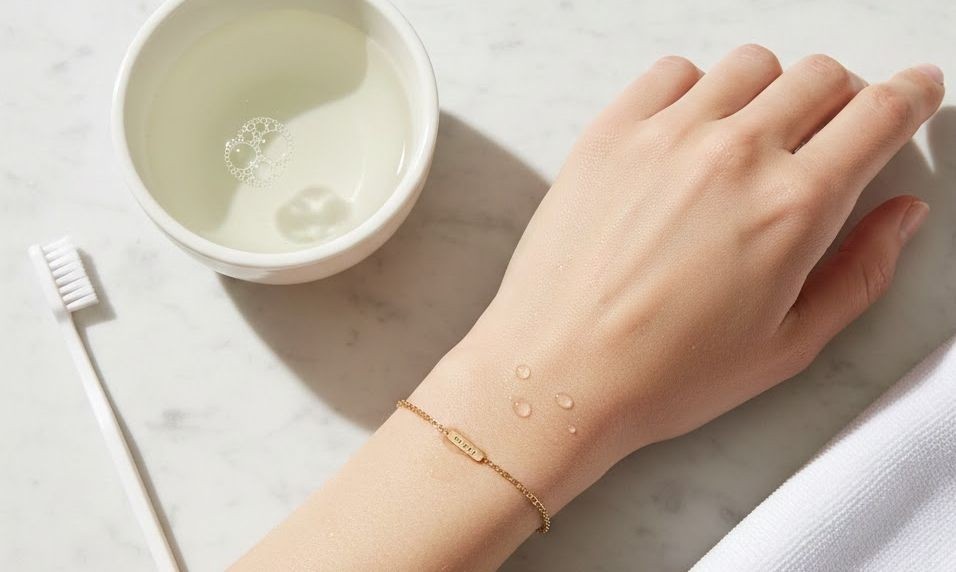
1. Mild Soap Method
For light tarnish, Use a gentle approach:
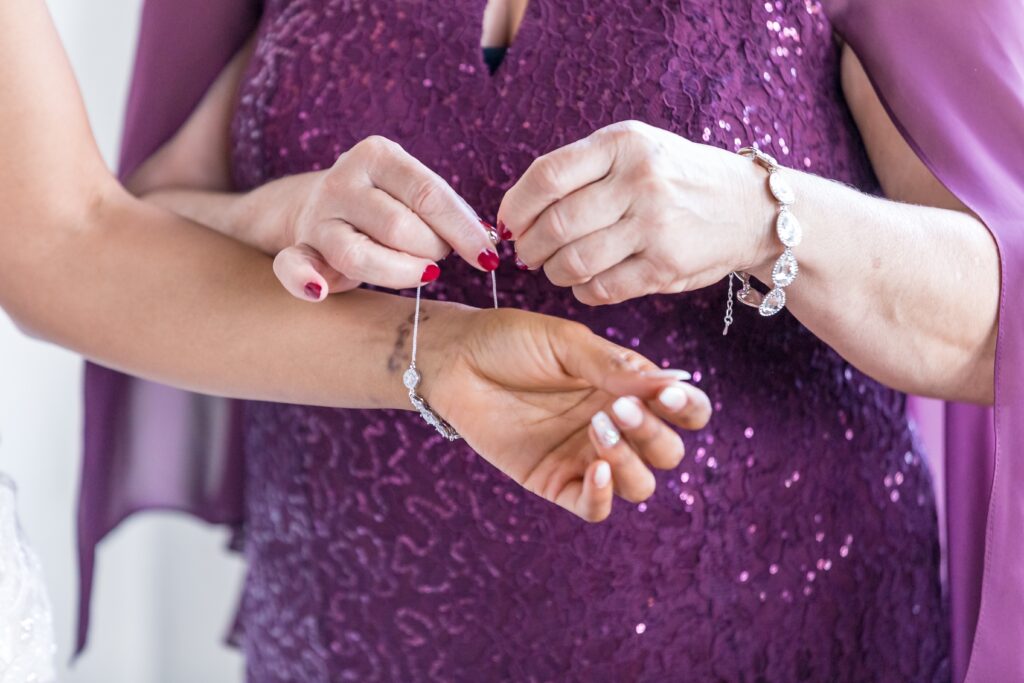
- Mix a small drop of mild dish soap with warm water.
- Soak the jewelry for a few minutes.
- Use a soft-bristled brush (like a toothbrush) to gently remove buildup.
- Rinse thoroughly with clean water and dry completely with a soft cloth.
This works well for sterling silver and gold-filled jewelry without risking damage.
2. Polishing Cloth
For metals like gold and silver, a special jewelry polishing cloth is my go-to. Gently rub the surface to remove tarnish. This is safe, simple, and keeps your permanent jewelry shining without harsh chemicals.
3. What NOT to Use
I’ve seen clients try all sorts of “quick fixes” that ruin their jewelry:
- Baking soda or toothpaste (too abrasive)
- Strong chemical cleaners or bleach
- Abrasive pads or rough cloths
These can scratch, weaken, or remove layers of gold-filled or plated jewelry. Avoid them completely.
4. When to See a Jeweler
Some tarnish is tough to remove at home, especially if the jewelry has intricate links or delicate welds. I always recommend:
- Take it to a professional if tarnish persists
- Avoid DIY dips or harsh chemicals
- Ask for polishing or gentle ultrasonic cleaning from an expert
By following these steps, your permanent jewelry can stay clean, safe, and long-lasting—without risking damage.
Can Tarnished Permanent Jewelry Be Fixed or Removed?
I understand why people worry: permanent jewelry sounds “set in stone,” and the thought of tarnish or damage can be stressful. Here’s the truth: yes, tarnished jewelry can absolutely be fixed.
1. Cleaning Restores Shine
Most tarnish is only on the surface. With gentle cleaning or professional polishing, You can bring the jewelry back to its original shine. Even sterling silver pieces that have dulled over time can look almost new again.
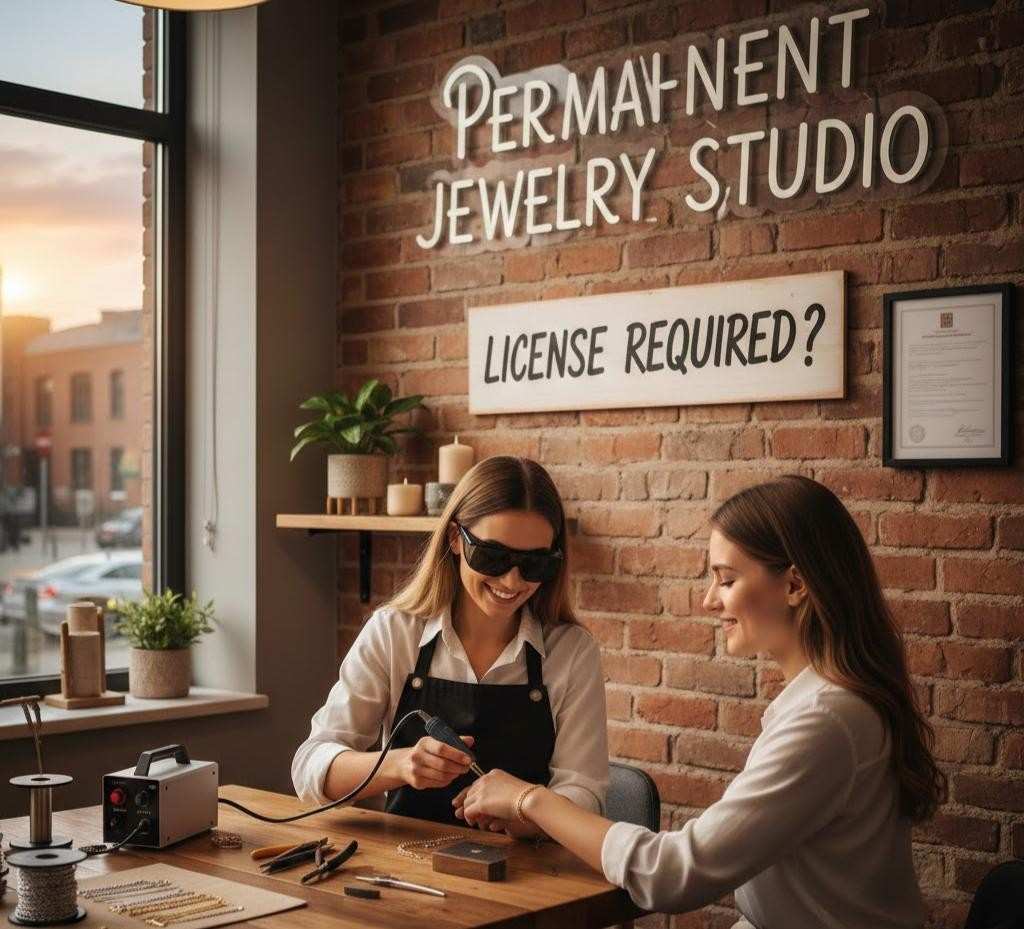
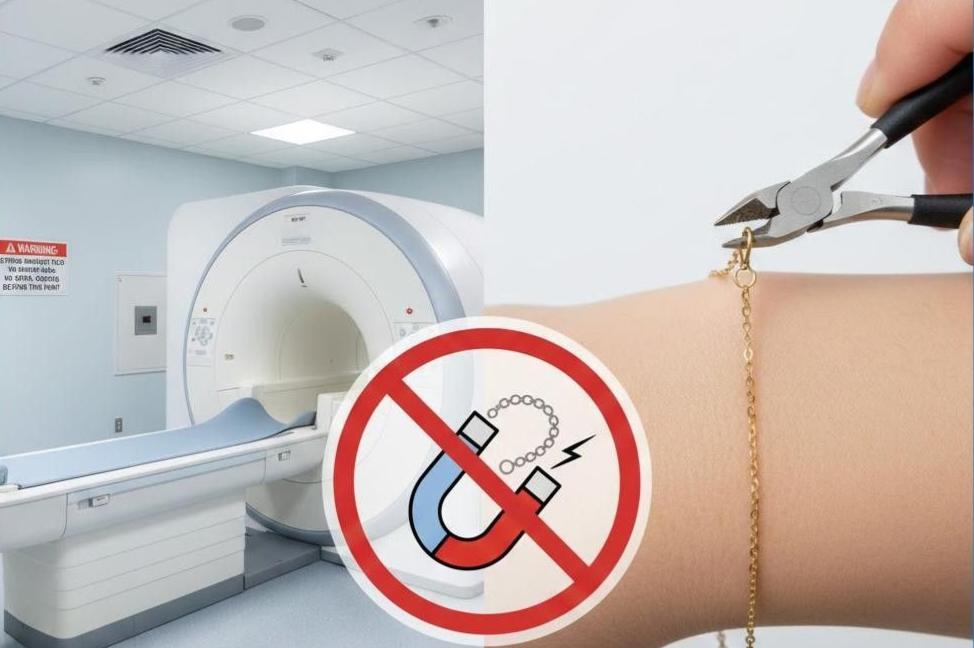
2. Jewelry Can Be Cut Safely
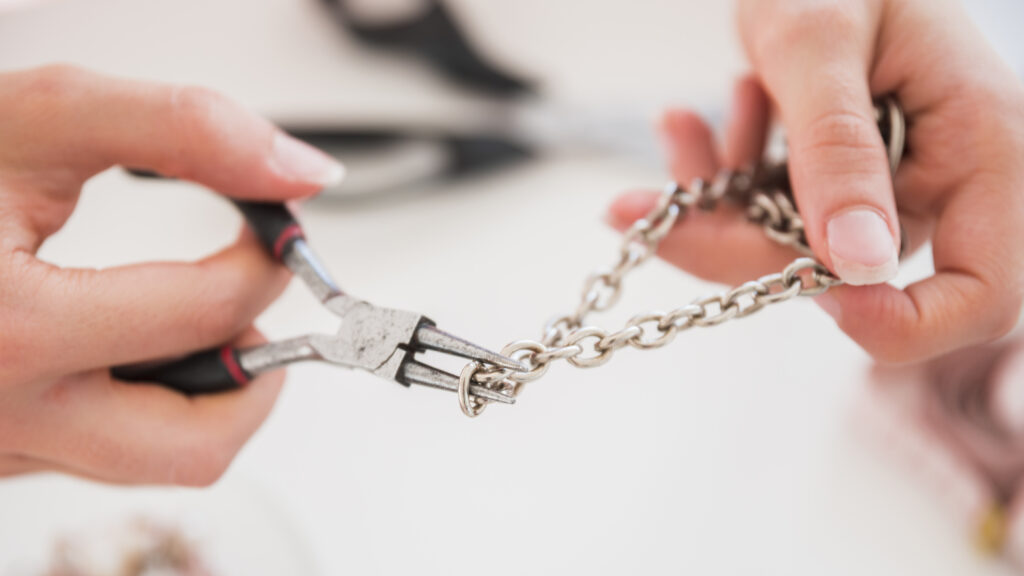
If a permanent piece needs to be removed—for resizing or other reasons—cut it safely without damaging the skin or other jewelry. The welded link can be removed cleanly, and a new link can be added if needed.
3. Re-Welding Is Possible
Sometimes, a piece may need a small repair or adjustment. You can re-weld permanent jewelry just like when it was first made, restoring its durability and appearance.
Common Myths About Permanent Jewelry Tarnish
I hear these myths all the time in my studio, and I want to set the record straight. Understanding the truth can save you frustration and help you care for your jewelry properly.
Myth 1: “Permanent means it won’t tarnish” ❌
Fact: “Permanent” refers to how the jewelry is worn, not the metal’s chemical properties. Even permanent jewelry can tarnish, depending on the metal and exposure to moisture, chemicals, and sweat.
Myth 2: “Gold never changes color” ❌
Fact: Pure gold is very resistant, but most jewelry is an alloy. 10k or 14k gold contains other metals that can slightly dull over time, especially with lotions, perfumes, or harsh chemicals.
Myth 3: “Silver is bad quality” ❌
Fact: Sterling silver is a high-quality metal, but it naturally reacts with sulfur in the air. Tarnish on silver does not mean it’s cheap or poor quality—it’s just part of how the metal behaves.
Myth 4: “Daily wear prevents all tarnish” ❌
Fact: Wearing jewelry every day may reduce light surface buildup, but chemicals, sweat, and humidity still cause tarnish. Metal type and care matter more than just constant wear.

Frequently Asked Questions
1. What are the downsides of permanent jewelry?
Permanent jewelry can tarnish depending on the metal, and removal requires a professional. Some metals like sterling silver need regular cleaning, and resizing is limited once welded.
2. How do I get rid of tarnish on permanent jewelry?
Most tarnish is surface-level and can be cleaned with mild soap, water, or a polishing cloth. For stubborn tarnish, professional cleaning is safe and restores the shine.
4. Is permanent jewelry waterproof?
No jewelry is truly waterproof, and harsh chemicals like chlorine or saltwater can cause tarnish. Rinsing and drying after swimming keeps your jewelry looking fresh.
5. Can sweat cause tarnish?
Yes, sweat contains minerals and acids that can speed up tarnish on some metals. Everyone’s body chemistry is different, so results vary between people.
6. Which metal lasts the longest?
Solid gold (14k–18k) lasts longest with minimal tarnish, while gold-filled is also durable. Stainless steel is low-maintenance, and sterling silver needs regular care.
7. How often should I clean it?
Weekly gentle cleaning is best for daily-wear metals like silver, while gold or gold-filled can be wiped monthly. Regular maintenance keeps your jewelry shiny and lasting longer.
8. Is tarnish permanent damage?
No, tarnish is only a surface reaction and can be removed safely. It doesn’t weaken the metal or ruin your jewelry—it’s completely fixable.